Late 2024 to 2026Shipped
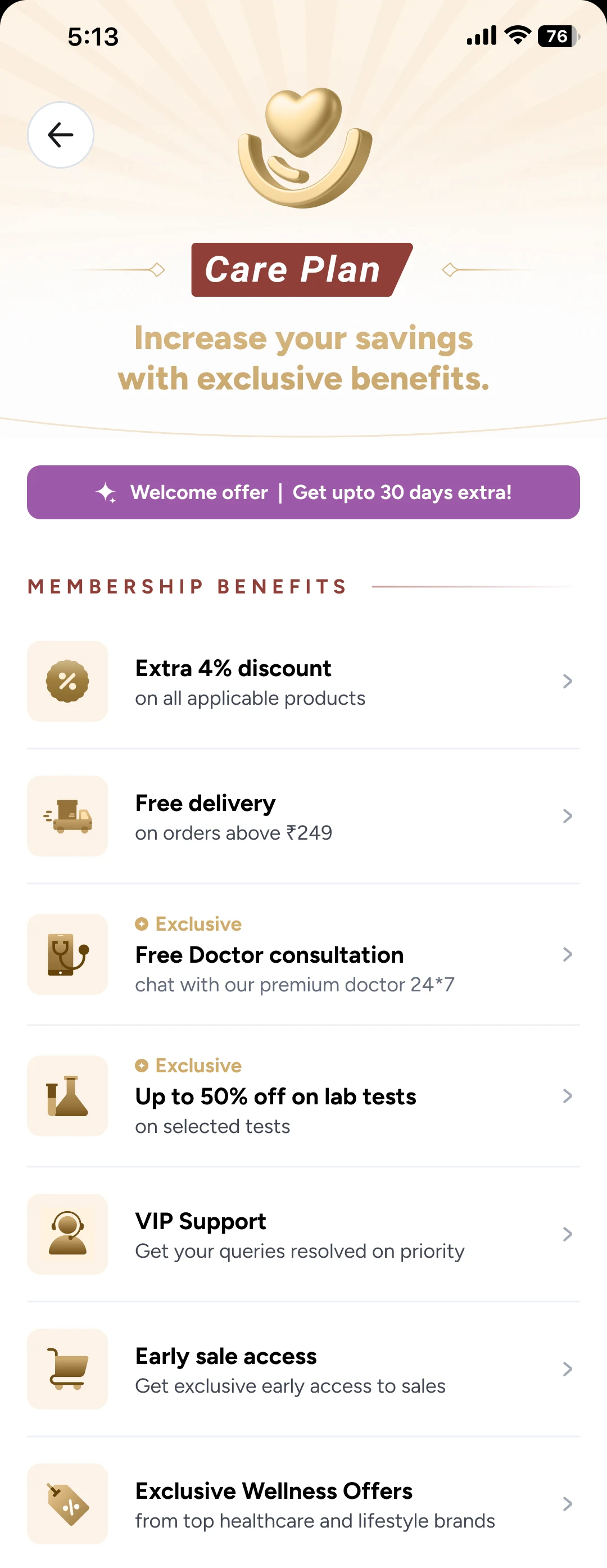
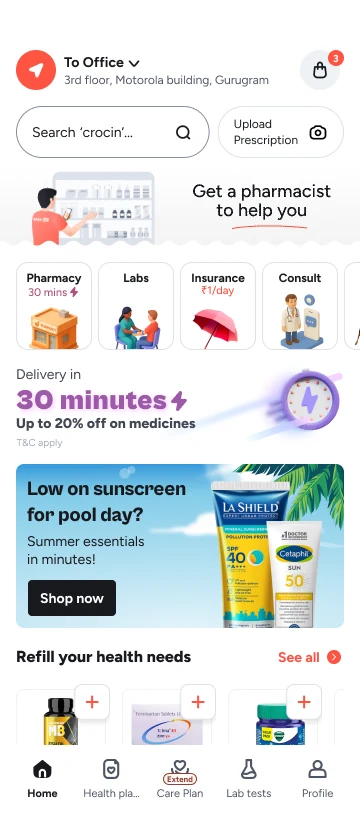
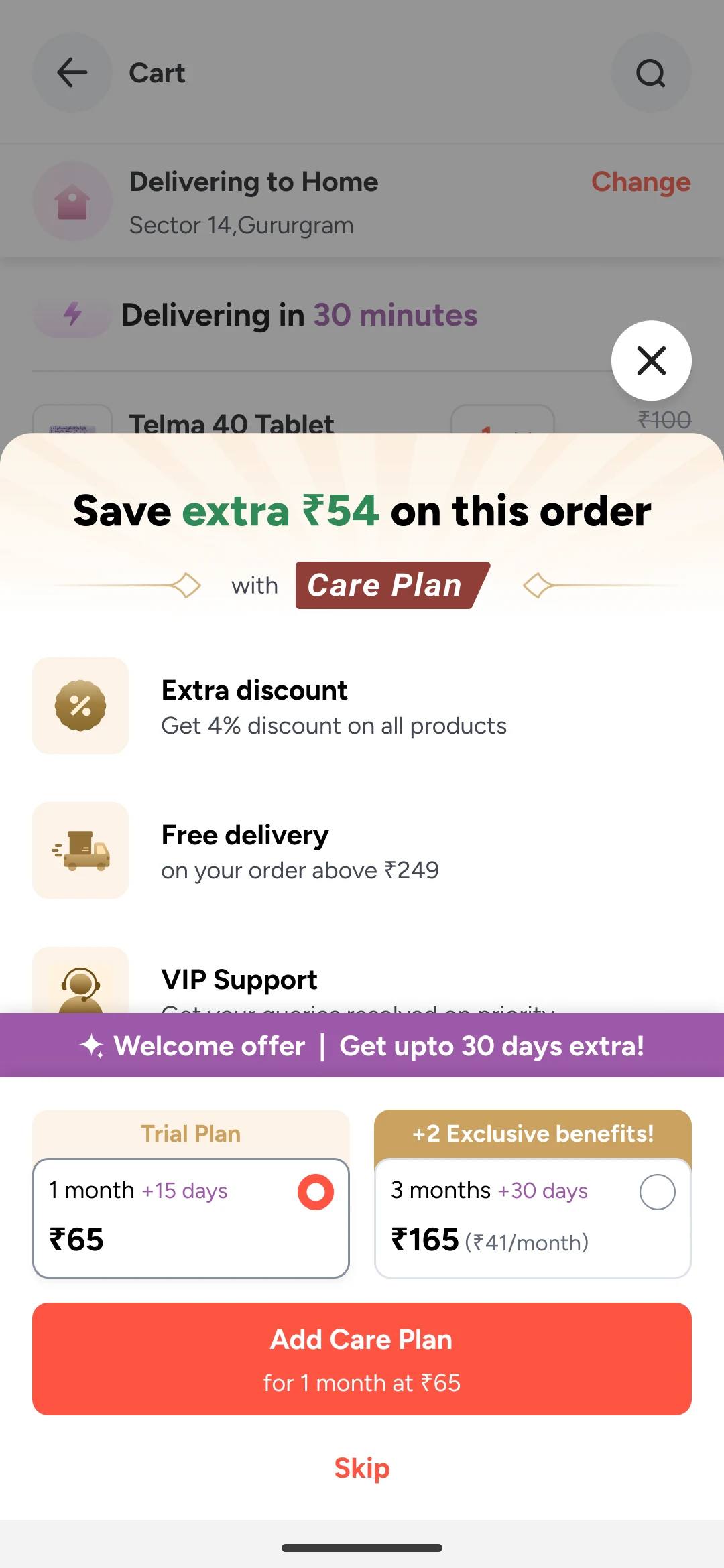
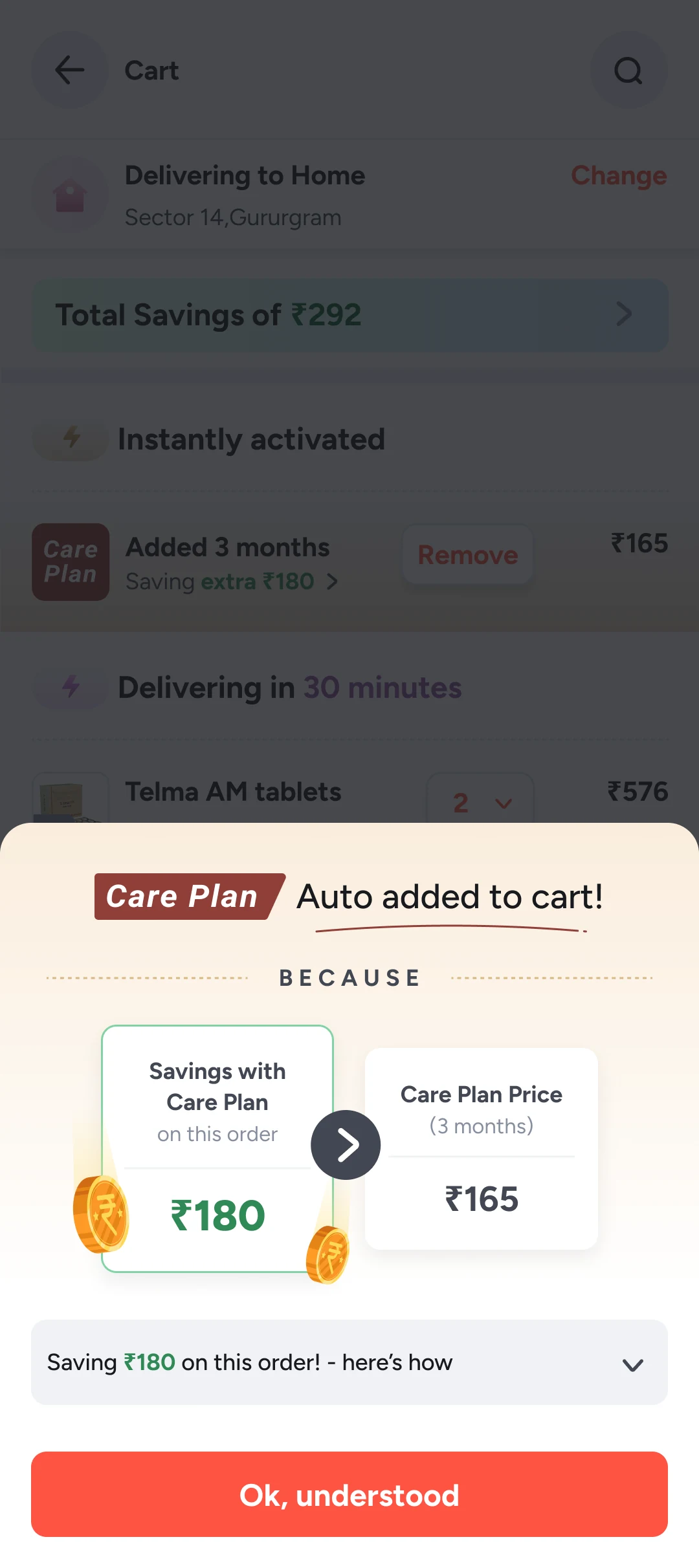
Care Plan
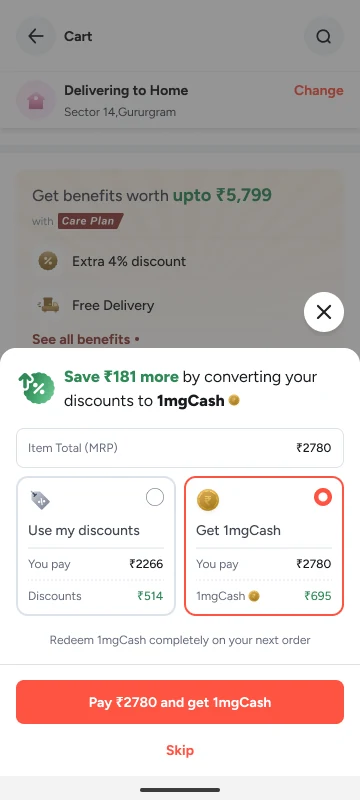
Making Care Plan honest about what it costs and what it gives
Currently doing an MSc at Politecnico di Milano
Designer with specialisation in Product, Motion, AI and Research
Previously at
 Product Designer I, 2024 to 2026
Late 2024 to 2026Shipped
Making Care Plan honest about what it costs and what it gives

B.Des, IIITDM JabalpurConcept
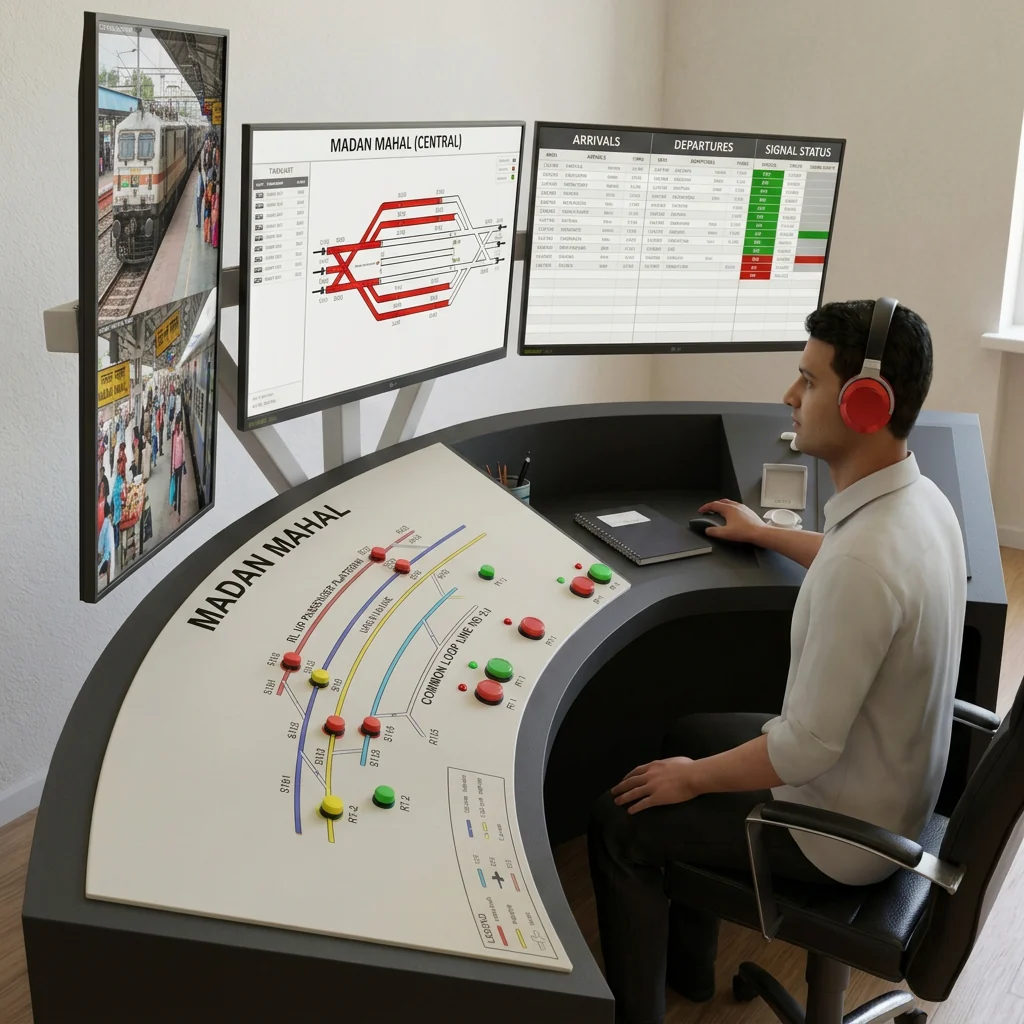
Redesigning a station master's control panel
Products I am building, freelance and side projects.
Open to new roles
Reminding people to refill before they run out
Tata 1mg · Repeat ordersShipped4 min read
I designed a refill card that spots medicines running low and lets people reorder in one tap, on the old home screen and then on the new one. It shipped to all users.
Screens from the design files; numbers shown are examples
The quarter’s goal was retention. In surveys, interviews and research, one habit kept coming up: people forget to refill their medicines. They only notice with two or three days of stock left.
At that point they have a choice, and the app loses it. A local pharmacy is open today. A delivery from a platform takes time. So a regular customer, who should be the easiest order to win, walks to the shop next door.
Speak first. Remind people to reorder some days before they run out, and make the reorder one tap. That wins the repeat order for 1mg, and it takes work off the person, who no longer has to remember what they take and when.
The card has to guess what is running low. It looks at what you bought before, how much of it, and how people use that medicine on average. It also reads the prescription’s indications, so the guess fits the medicine.
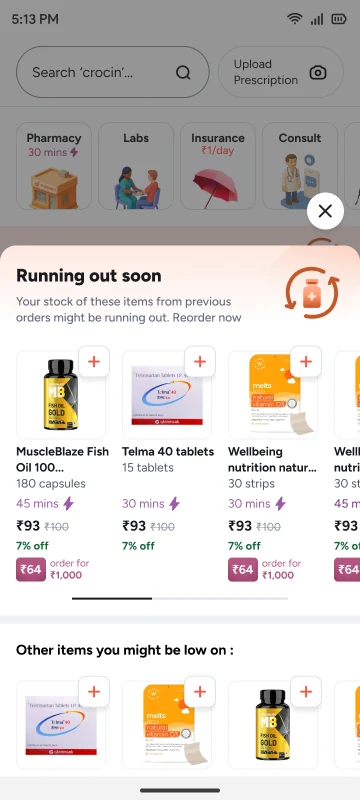
It is an estimate, and a dose or a habit can change it. So the sheet does not claim to know: “Your stock of these items from previous orders might be running out.”
The first card sat on the old home screen, as a “Time to refill” block. Tapping it opens a sheet of what you might be running low on.
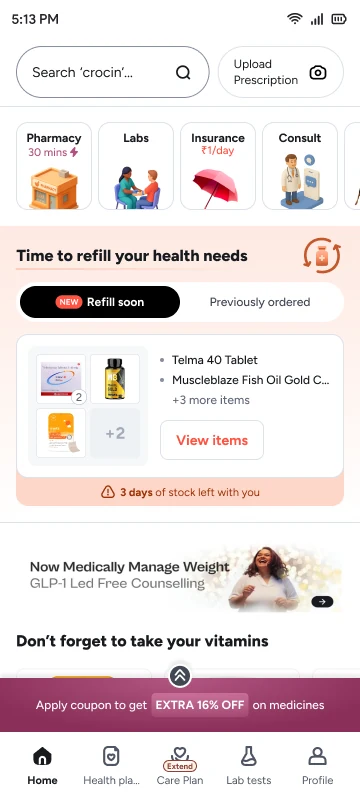
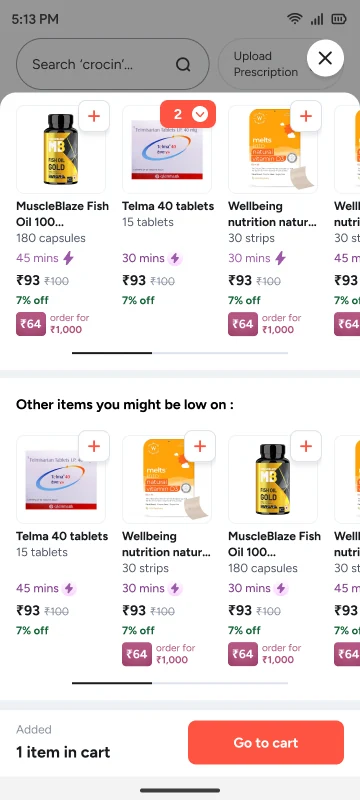
"Time to refill your health needs", with "3 days of stock left with you" at the bottom. The warning arrives before the problem does.
The sheet opens on the medicines you bought before, each with an add button. "Running out soon" is a prompt, not an order.
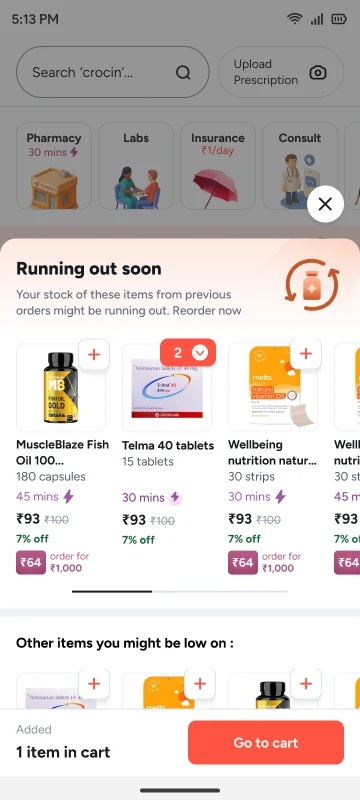
The sheet keeps count: "1 item in cart", with Go to cart beside it. Anything added from the home card shows as added here too.
Scrolling shows "Other items you might be low on", so the list grows past what the card could fit.
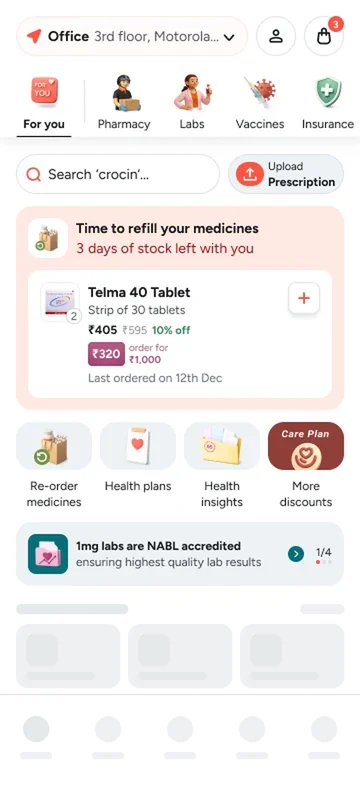
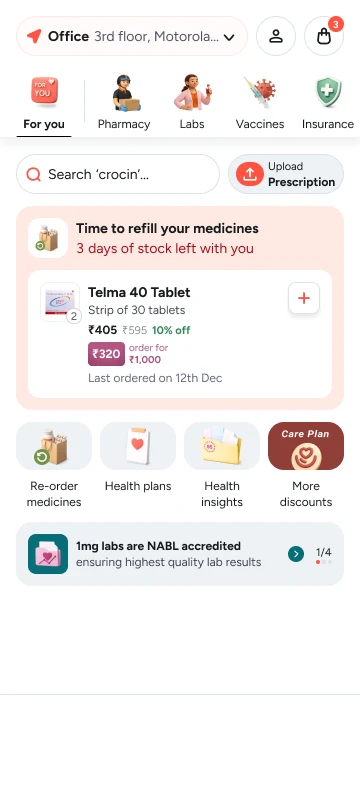
When the new home screen arrived, the refill card moved to the top and took the whole width. It now adds from the card itself, with no sheet in between for the first items. A chip at the bottom opens the rest. The card holds one item, two, three, or five and more, and each size is its own design.
"Time to refill your medicines" and "3 days of stock left with you", in red, at the top of the home screen.
Telma 40 Tablet, with the price and the plus button on the card. No sheet to open first.
"Last ordered on 12th Dec" tells people why this medicine is here.
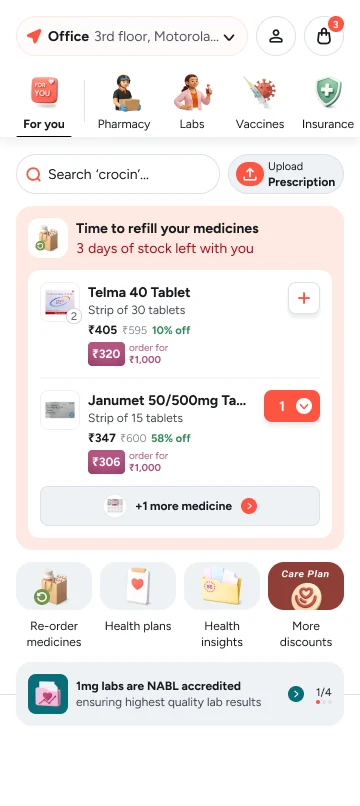
Each medicine on the card has its own add button.
Once added, the plus turns into a quantity control, so people can change the amount without leaving the home screen.
"+1 more medicine" opens the rest, so the card stays short however many items are due.
We argued over what belongs on the card: only prescription medicines, or also over-the-counter items. We chose a mix of both, with one rule. An item goes on the card only if we can predict how fast someone uses it.
That kept in anything taken as a pill or capsule, whether a prescribed tablet or a vitamin. It left out things like Vicks, creams, protein powders and bandages, where use depends on the day and a “running low” guess would often be wrong. A wrong reminder costs the card its trust.
Not everyone opens the app when stock runs low, so the same prediction went out through WhatsApp. The message says you may be nearing your next refill cycle, that your refill cart is ready with what you bought earlier, and puts a “Reorder Now” button under it. It worked alongside push and in-app notifications, and the same idea went into email reminders.
Two ideas did not ship.
If the app waits until someone is out of stock, the order goes to the shop next door. The fix was to speak first, early enough to act, and to make acting one tap. The other half was honesty. A guess about what you will run out of should sound like a guess, and it should only be made where it can be a good one.