Late 2024 to 2026Shipped
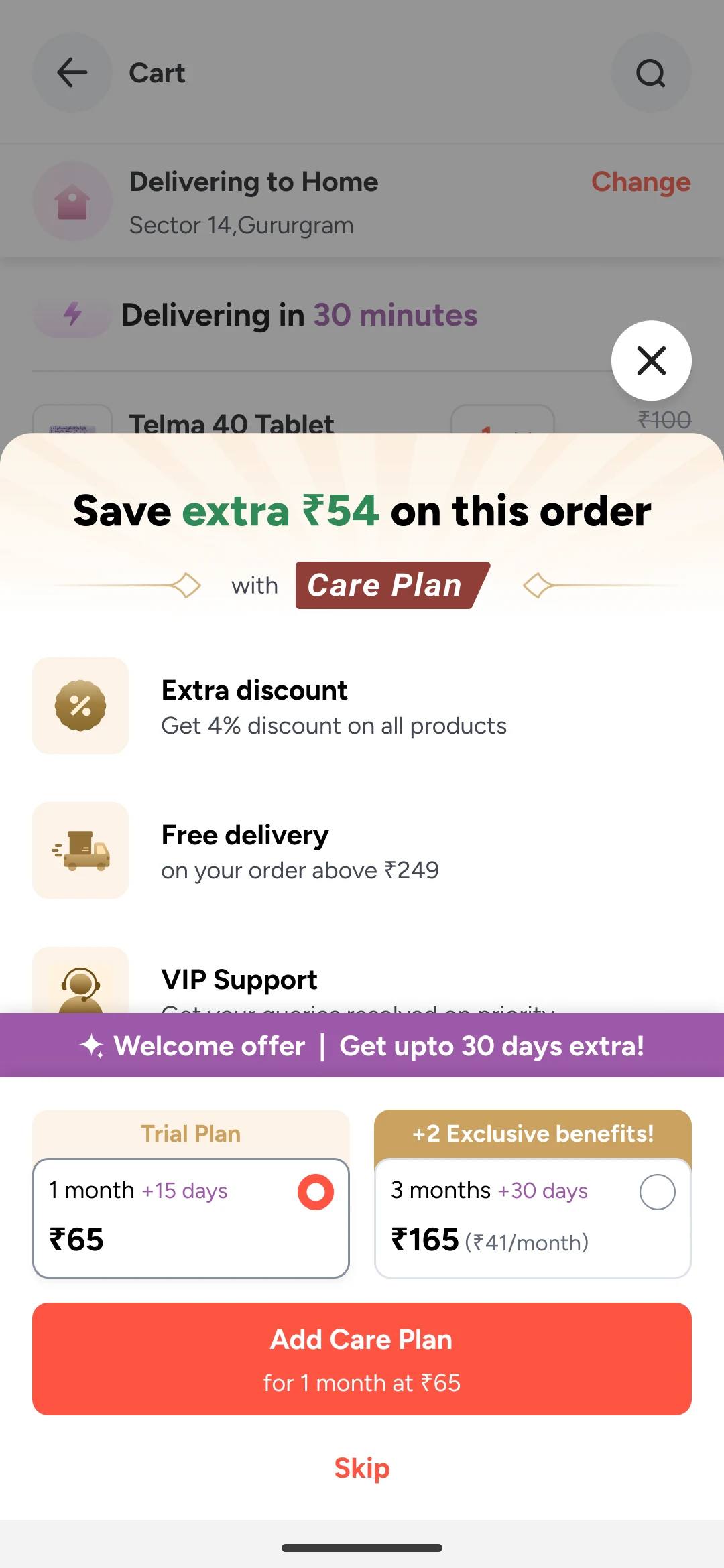
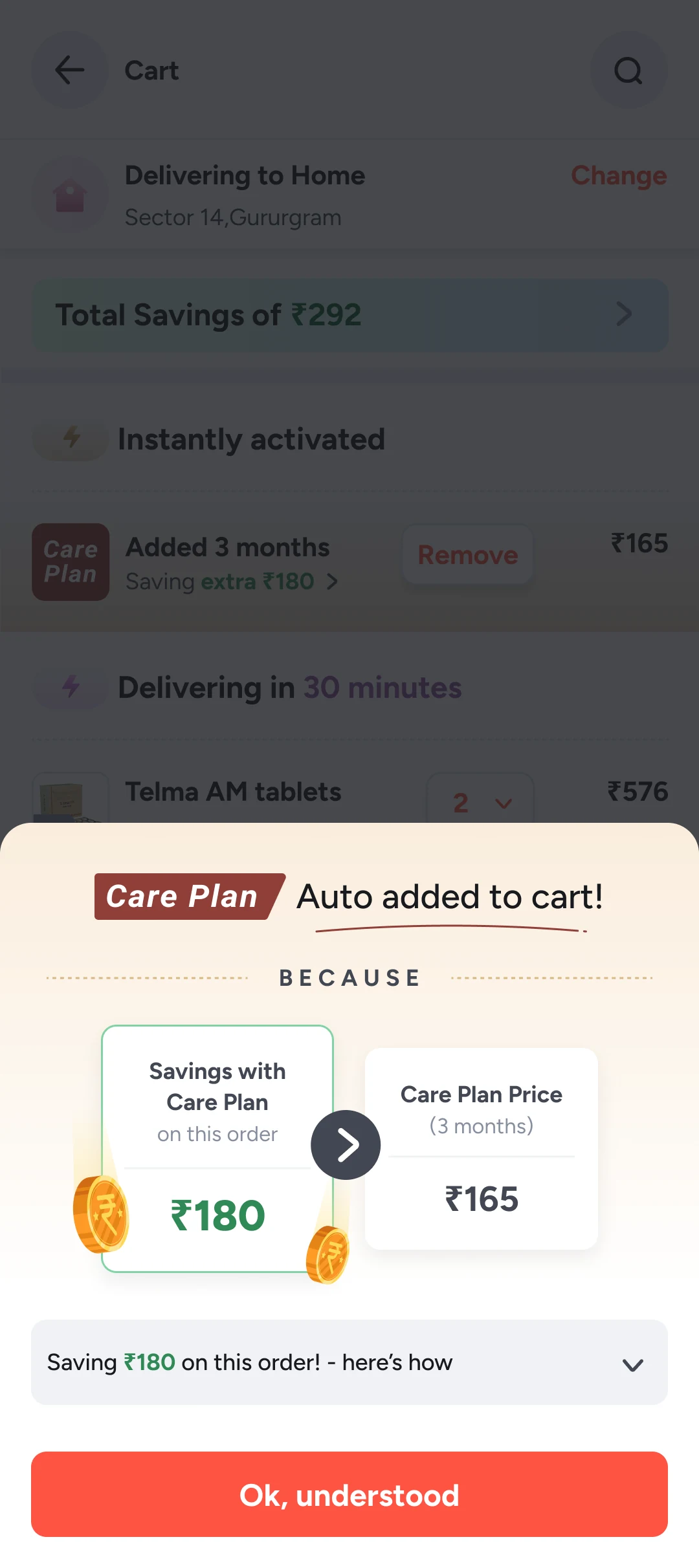
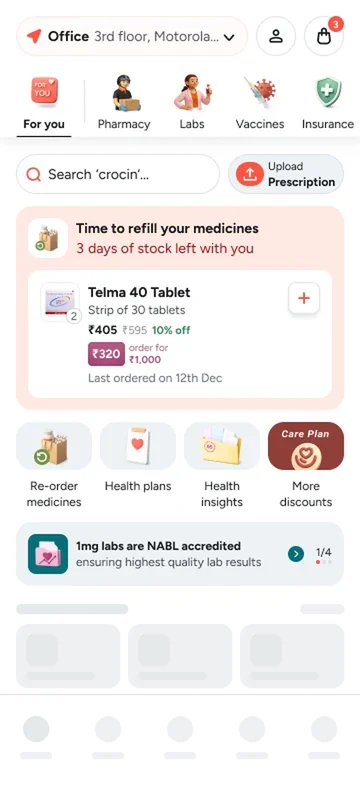
Care Plan
Making Care Plan honest about what it costs and what it gives
Currently doing an MSc at Politecnico di Milano
Designer with specialisation in Product, Motion, AI and Research
Previously at
 Product Designer I, 2024 to 2026
Late 2024 to 2026Shipped
Making Care Plan honest about what it costs and what it gives

B.Des, IIITDM JabalpurConcept
Redesigning a station master's control panel
Products I am building, freelance and side projects.
Open to new roles
Redesigning a station master's control panel
Indian Railways · Control panelConcept7 min read
A seated, curved control panel with one communication interface, built to cut cognitive load for the people who keep trains apart.
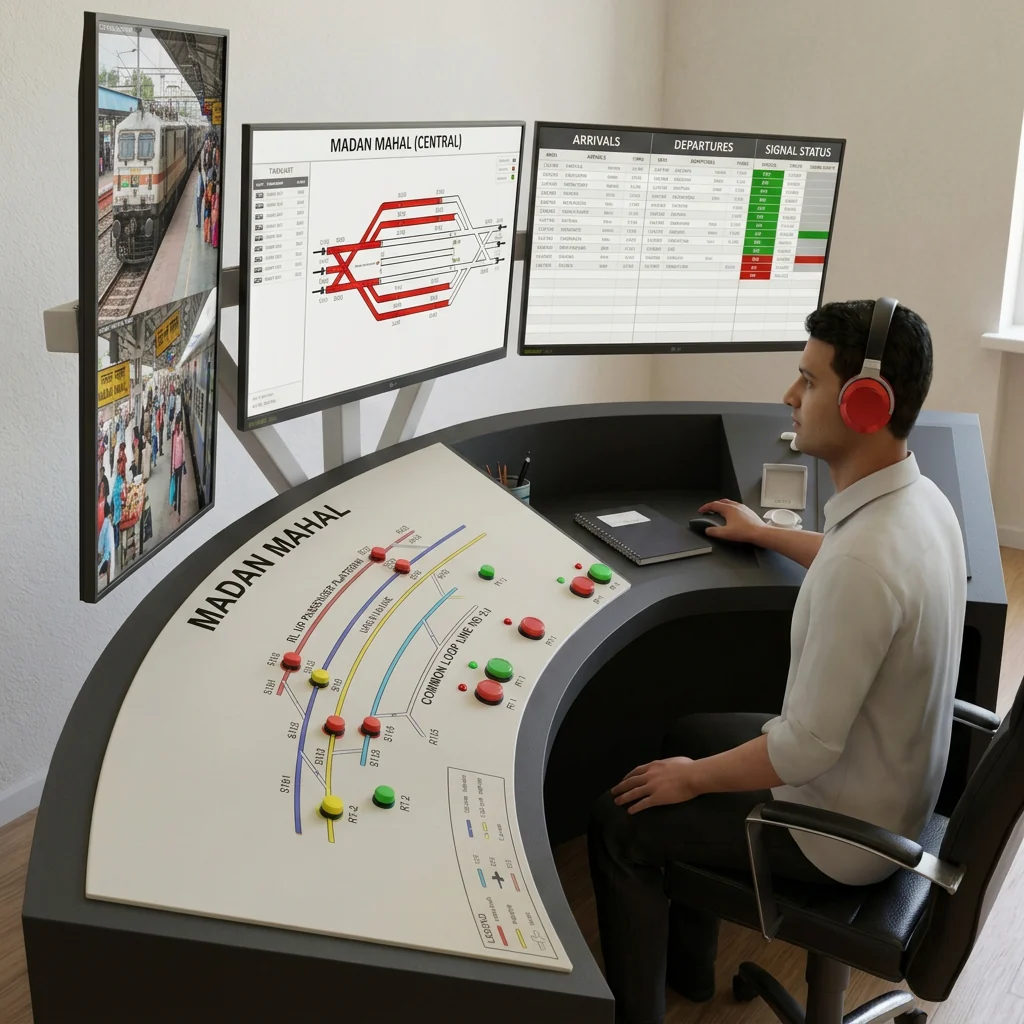
Indian Railways employs over 1.2 million people, including 18,000 station masters, and human error has been linked to up to 35% of rail accidents. We visited a working station control room and found equipment from 1958 to today spread across the room: several ringing phones, thin buttons that slip, red collars easily mistaken for signals, and an unguarded emergency button. We mapped the room and analysed every task, then designed a curved panel the station master can run while seated. All controls are within reach, the buttons are bigger and textured with haptic feedback, and one interface replaces the separate phones and radio.
Indian Railways employs over 1.2 million people, among them 18,000 station masters who keep trains apart. The system is reliable, but human error has been linked to up to 35% of rail accidents.
This was our Human Computer Interaction project at IIITDM Jabalpur, done by a team of five. The brief was to find ways to make railway operations more efficient and effective, using design and HCI principles.
We visited the control room at Madan Mahal station. Controls and displays from 1958 to today sat side by side, in a dozen configurations.
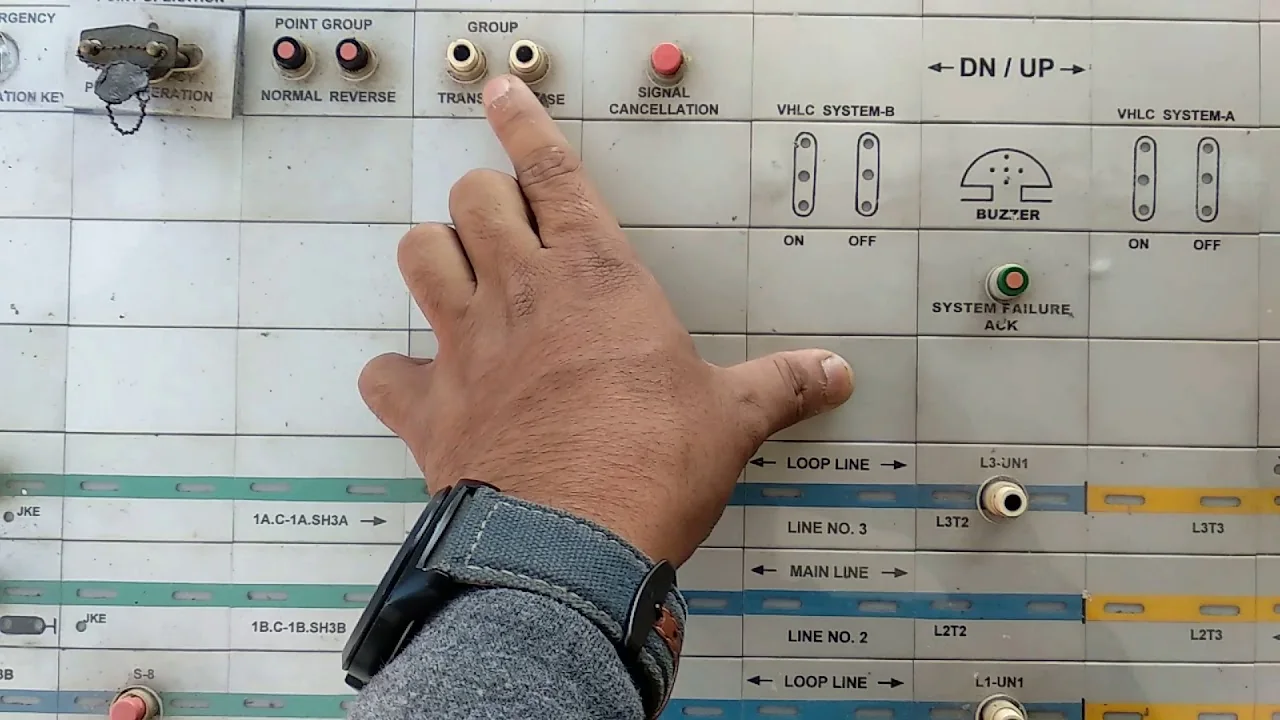
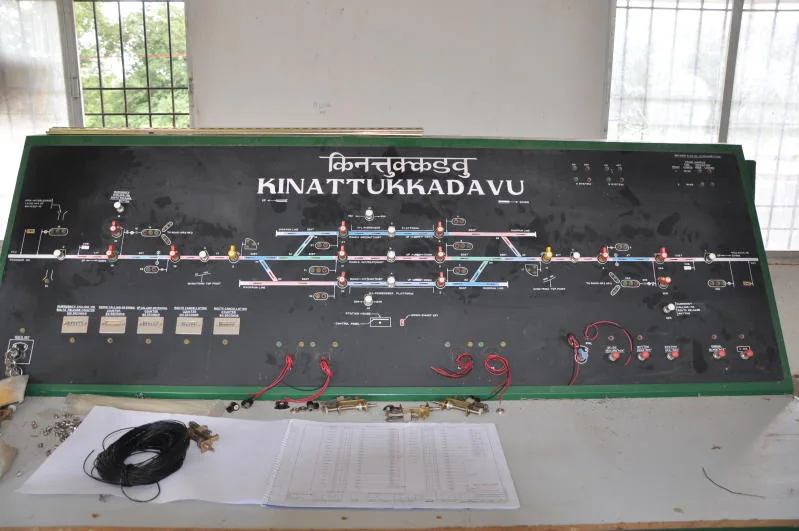
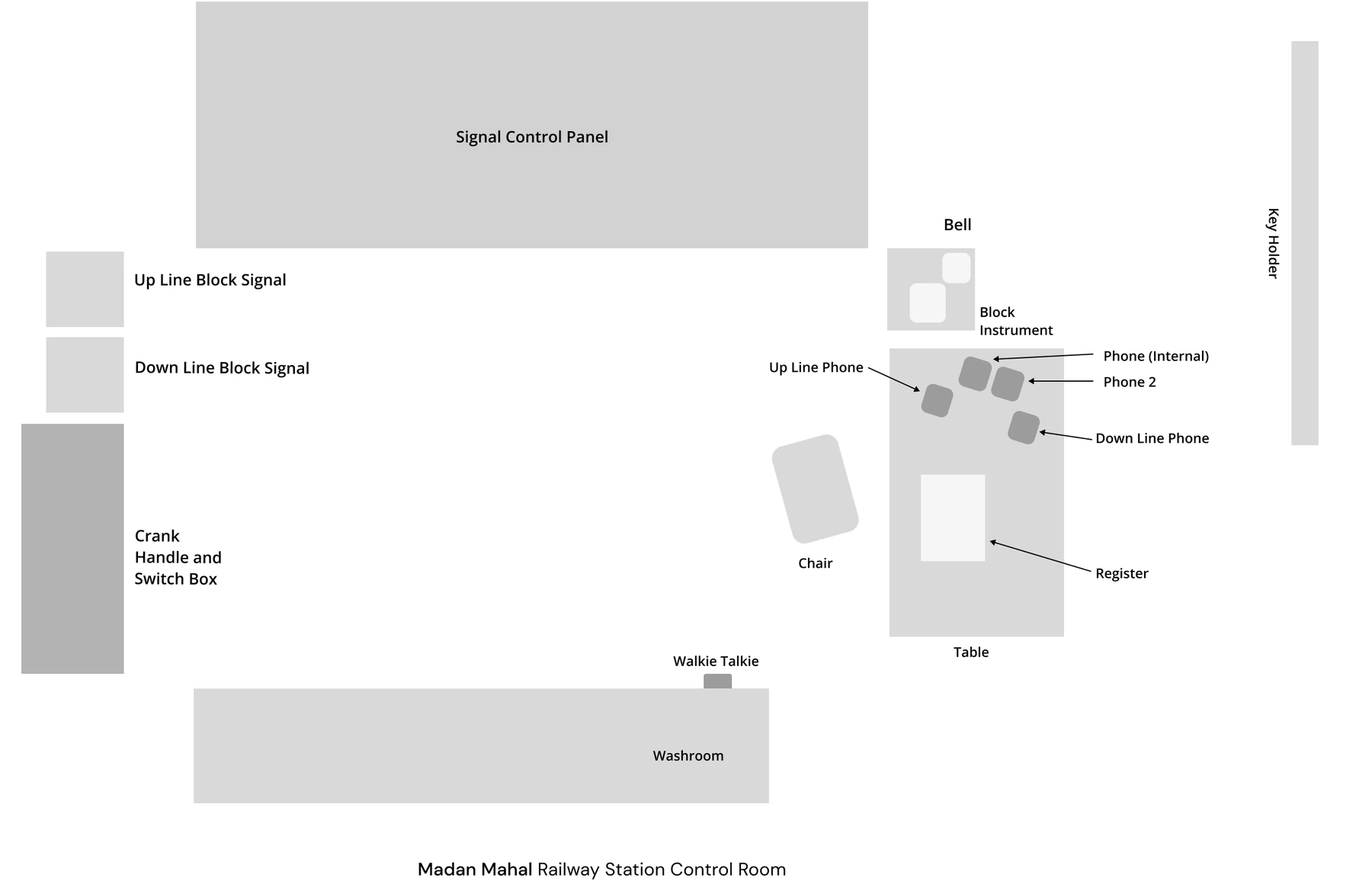
Every job in the room runs through four things, and each sits in a different place:
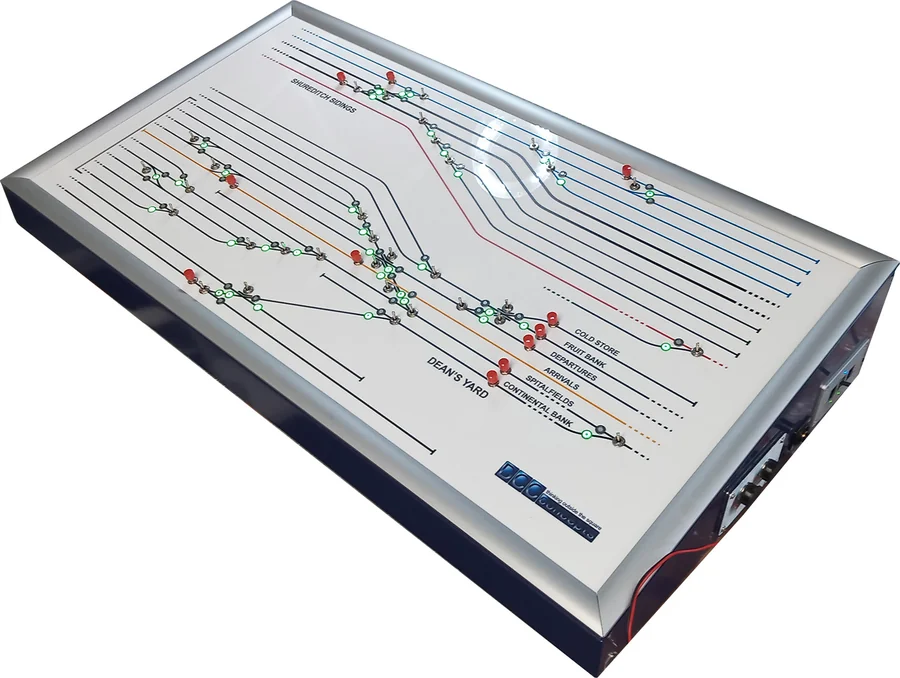
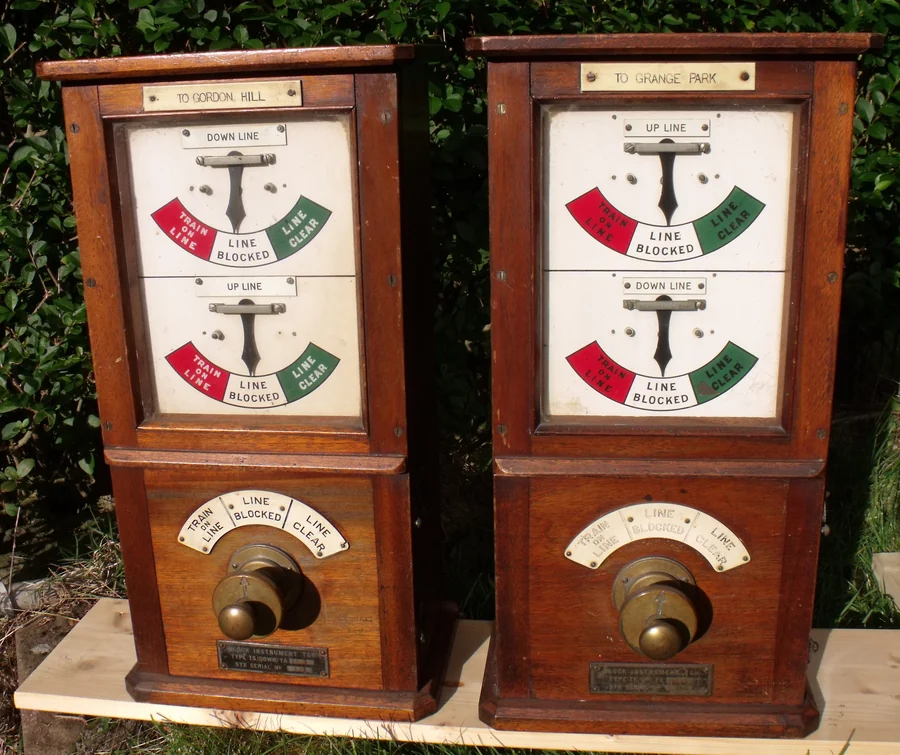
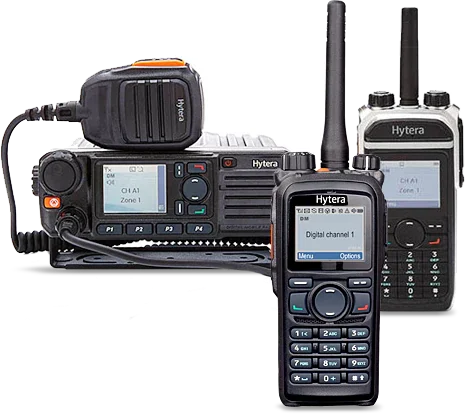
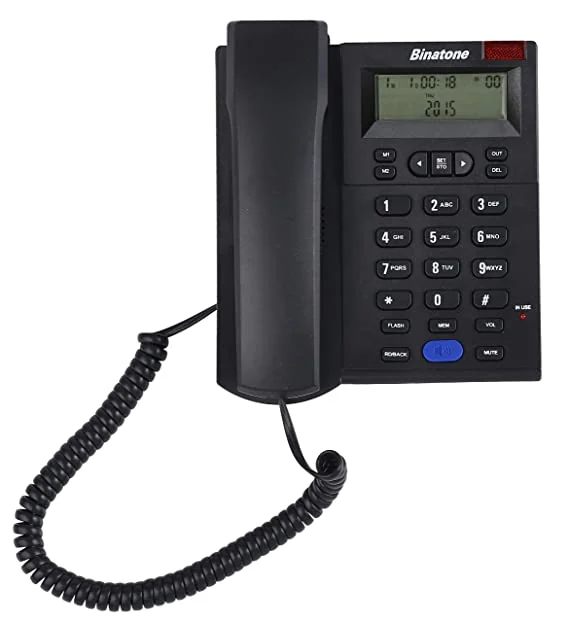
We broke the work down by task. Each one has its own knowledge, feedback and problems. A few that stood out:
The people matter as much as the equipment. Training takes three days. A station master cannot leave in a medical emergency without a replacement, and there is no way to tell colleagues.
We mapped every task: trains entering and leaving, route allotment, block signals, and the knowledge each one needs. Then we split the work between people and machines, such as scheduling, tracking, signalling and communication, and asked what a machine could take off the station master.
The tasks and the room gave us six problem areas. For each one we wrote down what was going wrong and a way to fix it:
Brainstorming gave four concepts:
We refined the curved panel and the integrated communication station into one console.
One curved panel the station master runs while seated, with a single communication interface that replaces the phones and radio and keeps a transcript.
We sized it with anthropometric calculations: a desk height of 80 cm, a visual cone of 30 to 45 degrees, and arm reach that sets the length of each section of the curve. Then we modelled it in 3D to see how the form worked around a seated person.
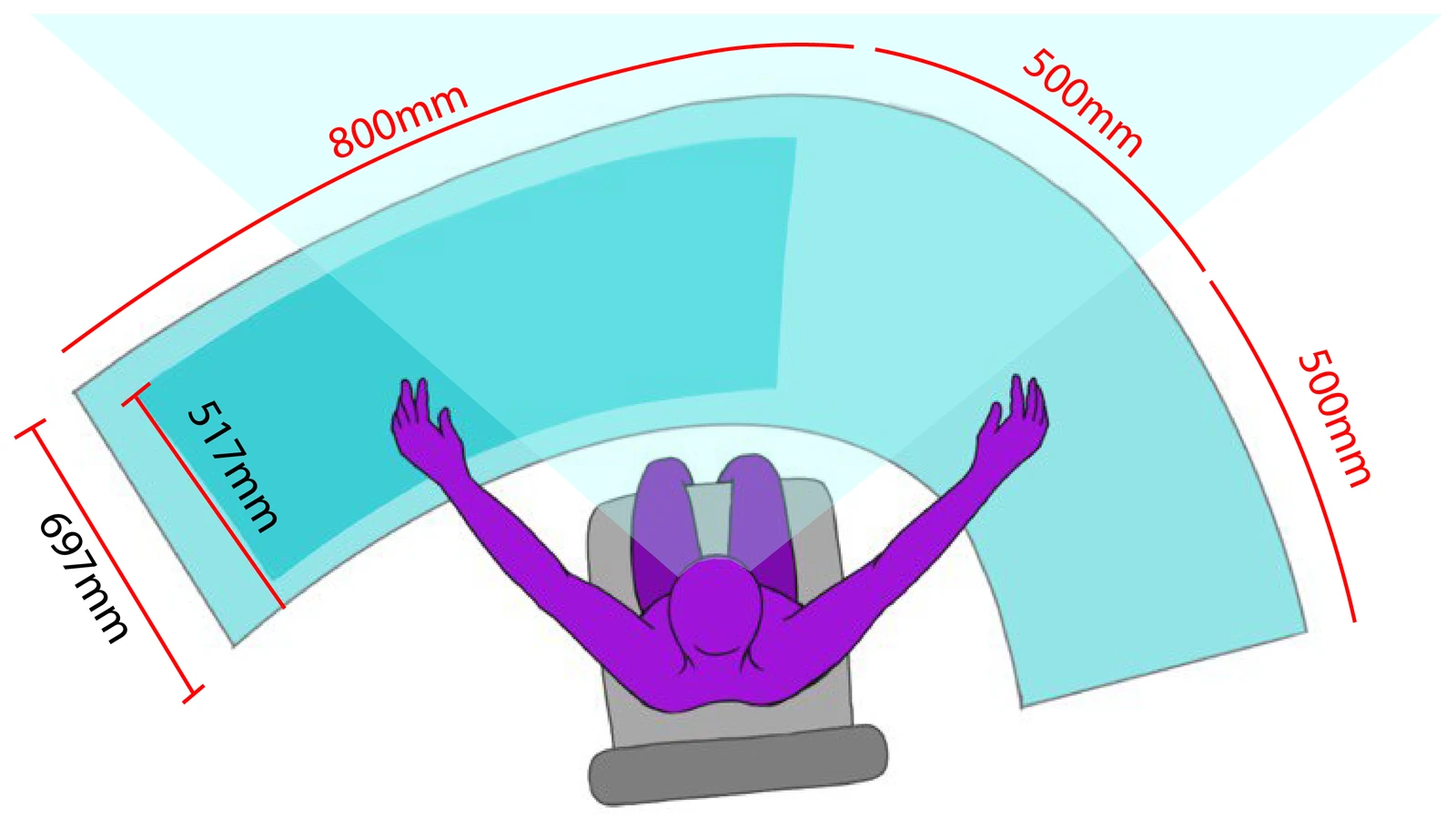
A concept, not a product. We built scale models from recycled materials. The pictures here start from my 3D model of the panel and were redone with an AI image model for a real-world look. The shape, the layout and the position of every control come from the 3D model.
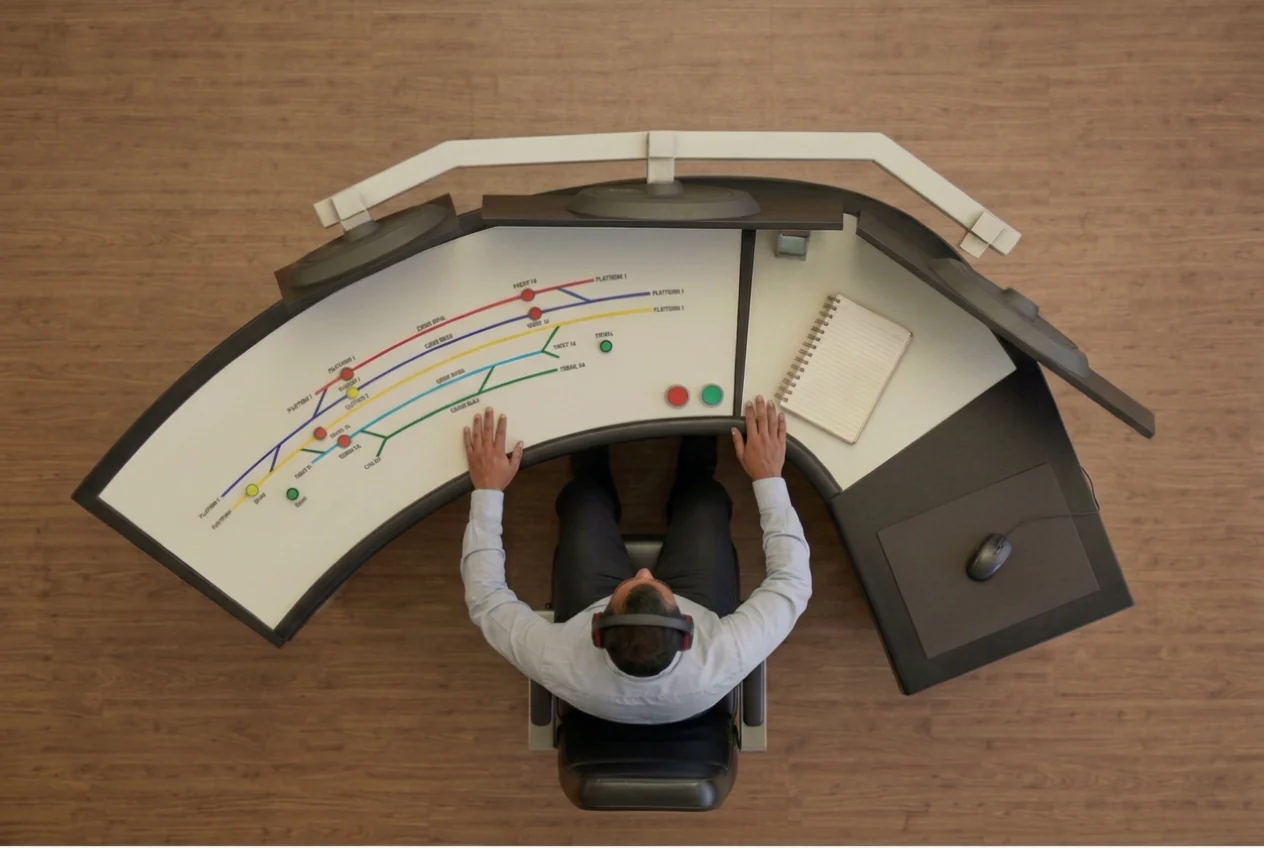
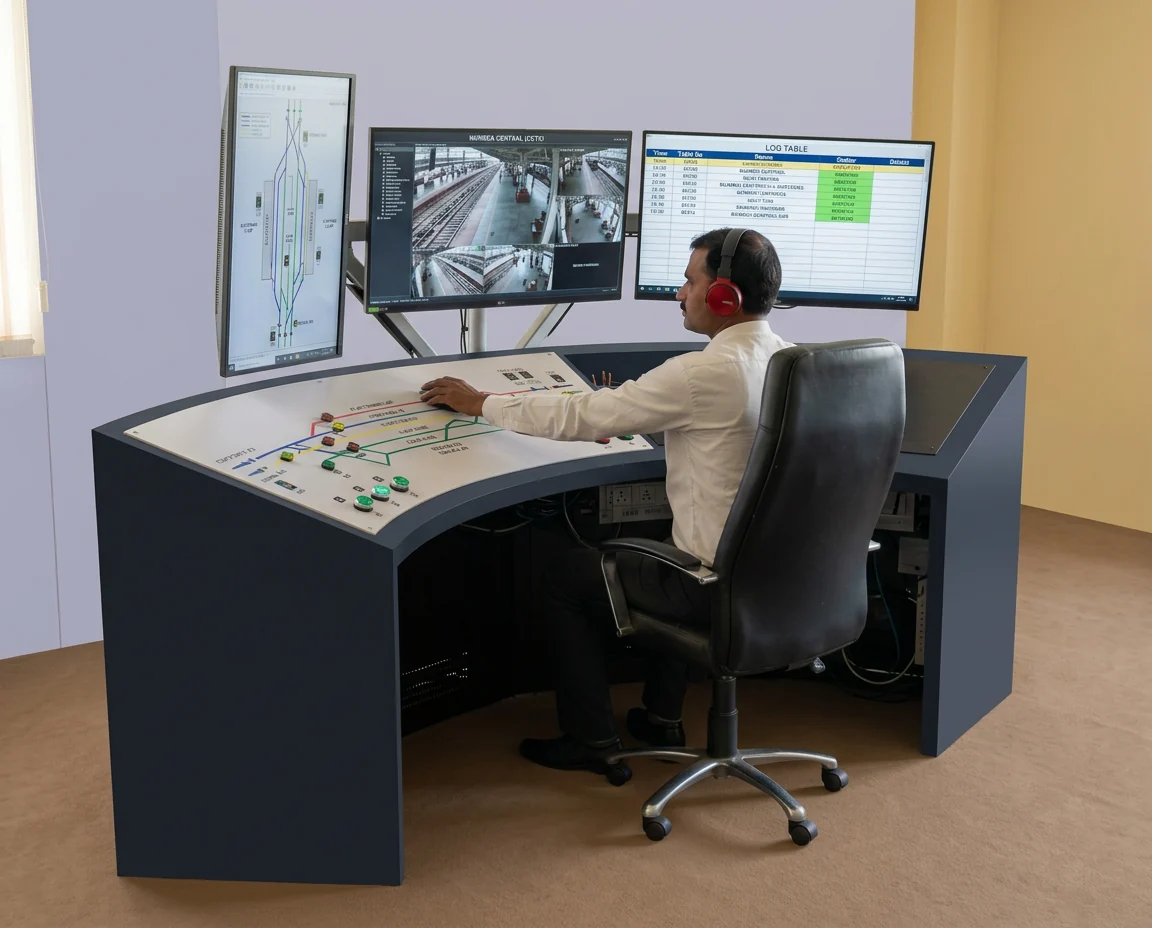
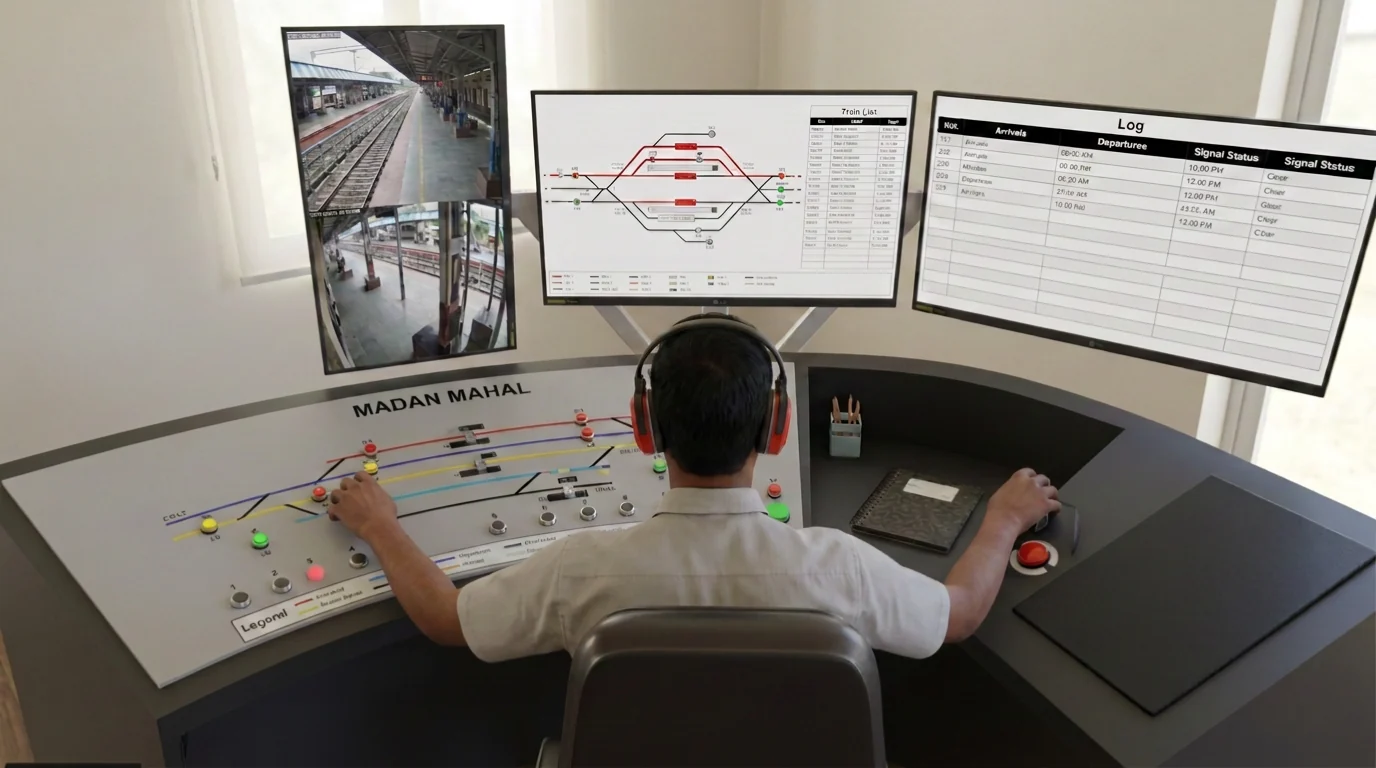
Each feature answers something we saw in the control room:
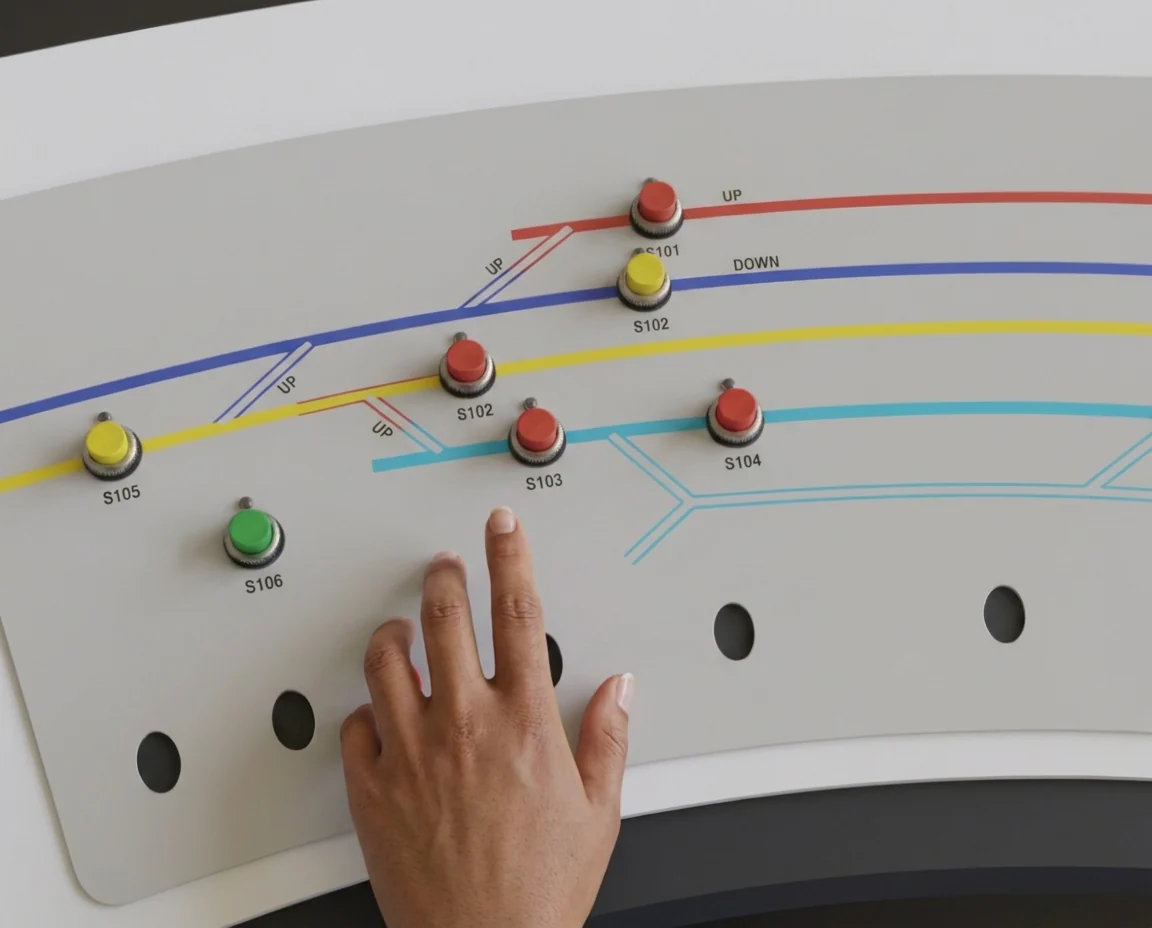
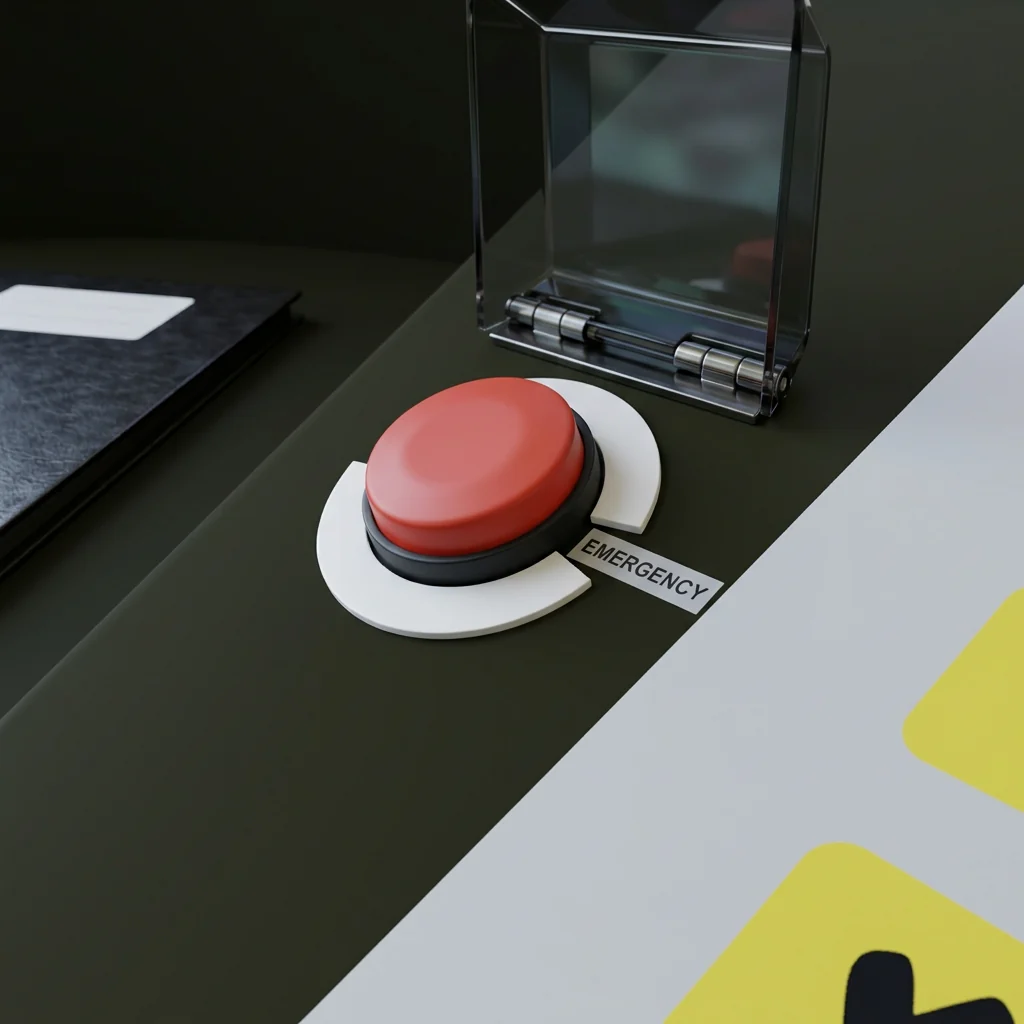
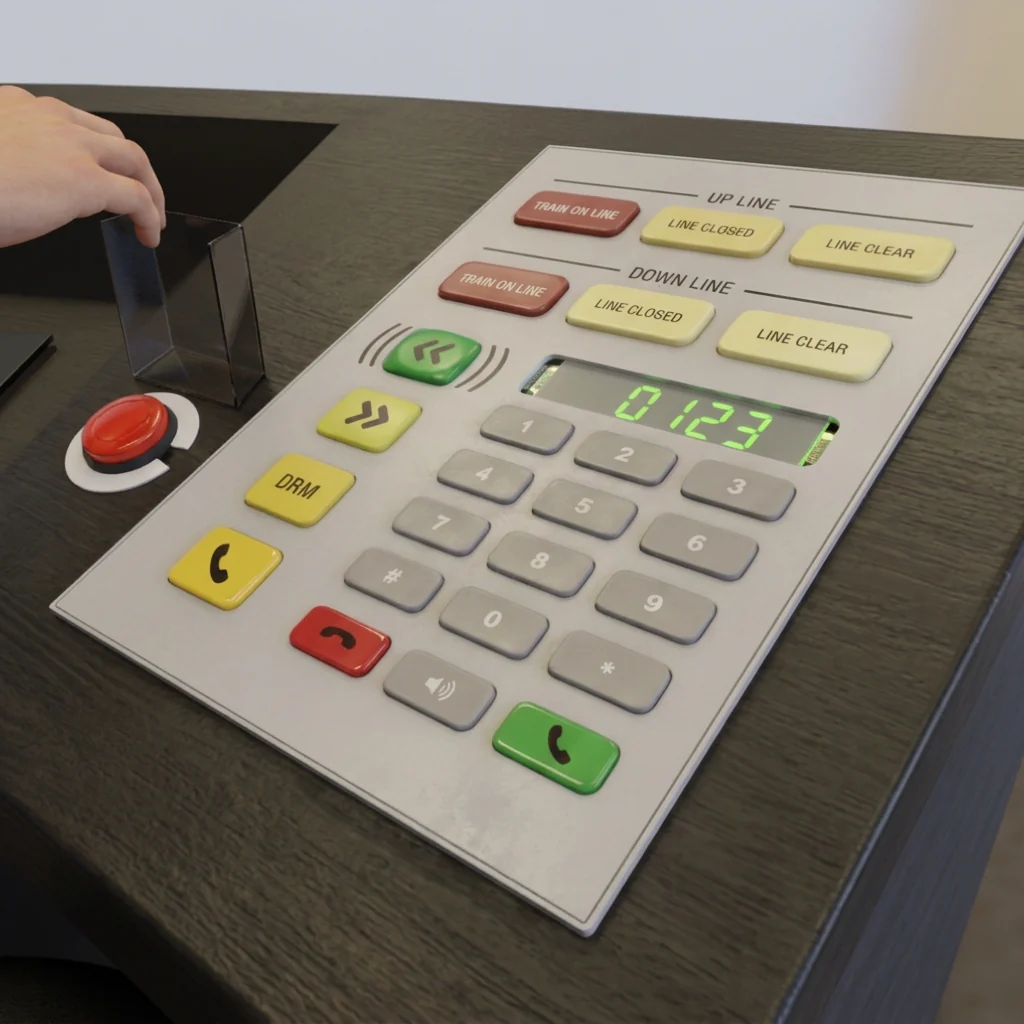
The communication interface puts the block instrument and the phone in one place. It borrows from modern desk phones with several lines: tap the line you want to take. There is no need to keep track of which phone or radio is ringing. Up line and down line, each with Train on line, Line closed and Line clear. A dial pad. A DRM button. A button that turns calls into text for the record.
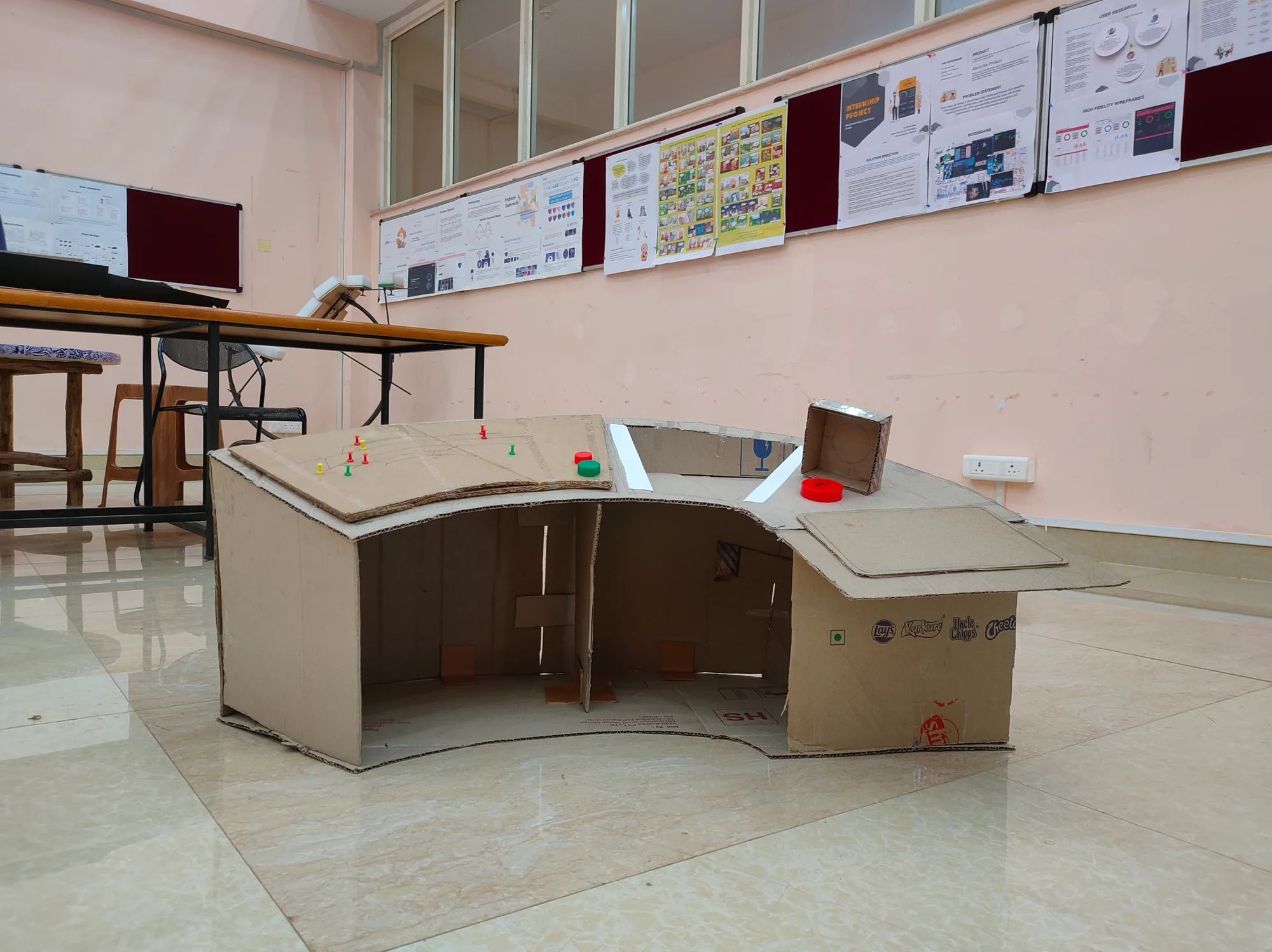
We then built the panel in cardboard, with bottle caps for buttons, to check the form and the placement of the controls.
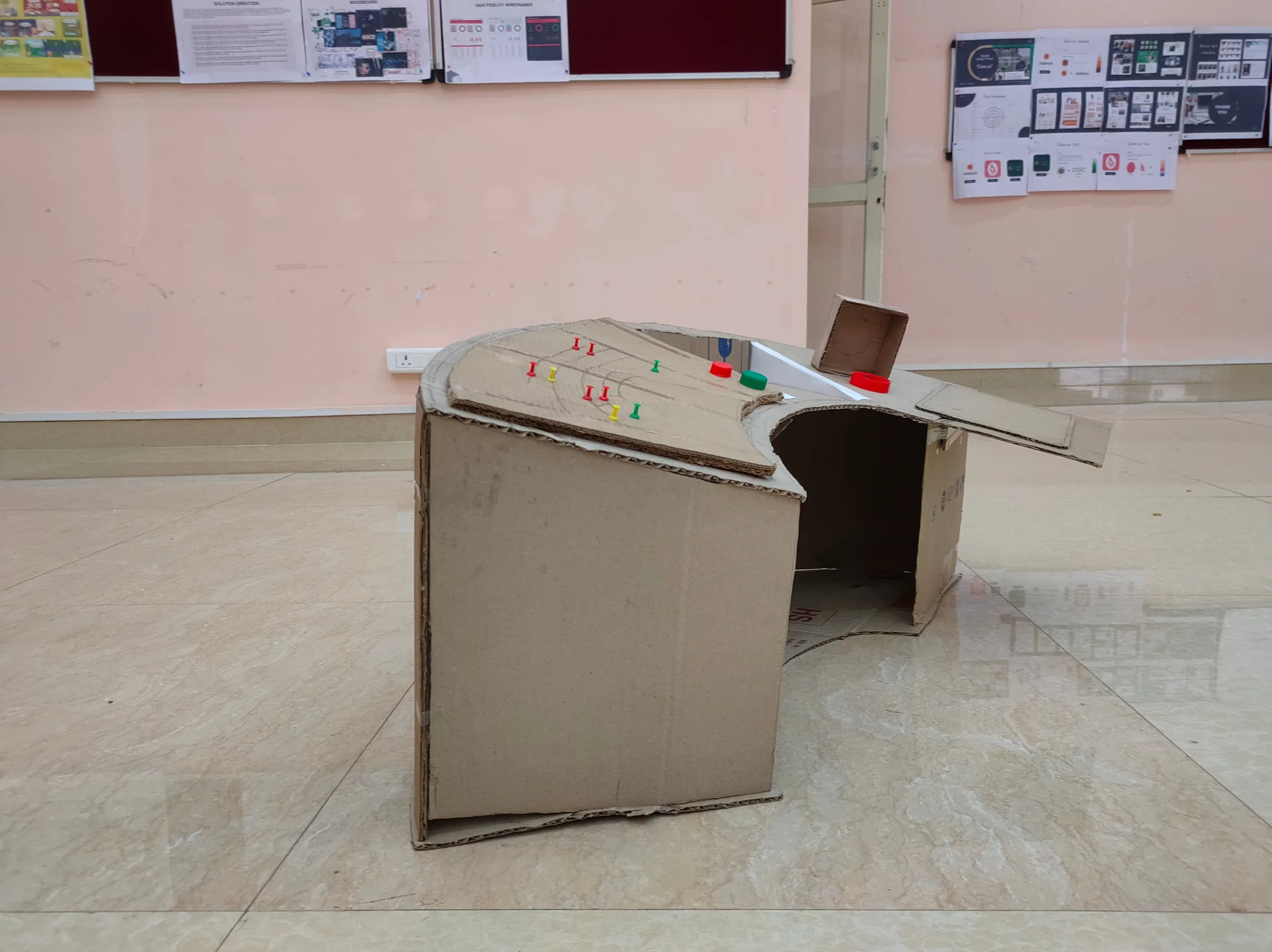
The old desk was cluttered, and part of it was out of reach. The new one is simpler and curved, so the station master can work the panel without standing, which cuts fatigue.
The panel is a concept, so nothing was measured in a real station. What the work shows is on paper and in the model: the controls fit a seated reach, the block signals and phones come to the person, and the emergency path is no longer a walk to find help.
My part was the field research and task analysis, and the 3D model, renders and ergonomics diagrams that sized the curve.
The decision I would defend is the reconfirmation button. It is small, but it fixes a failure we saw: with no confirmation, a wrong route took 15 seconds to cancel, and people kept pressing until the lock sound played.
What I would test first, with real station masters: whether the repeat presses stop, and how long it takes to correct a wrong route.