Late 2024 to 2026Shipped
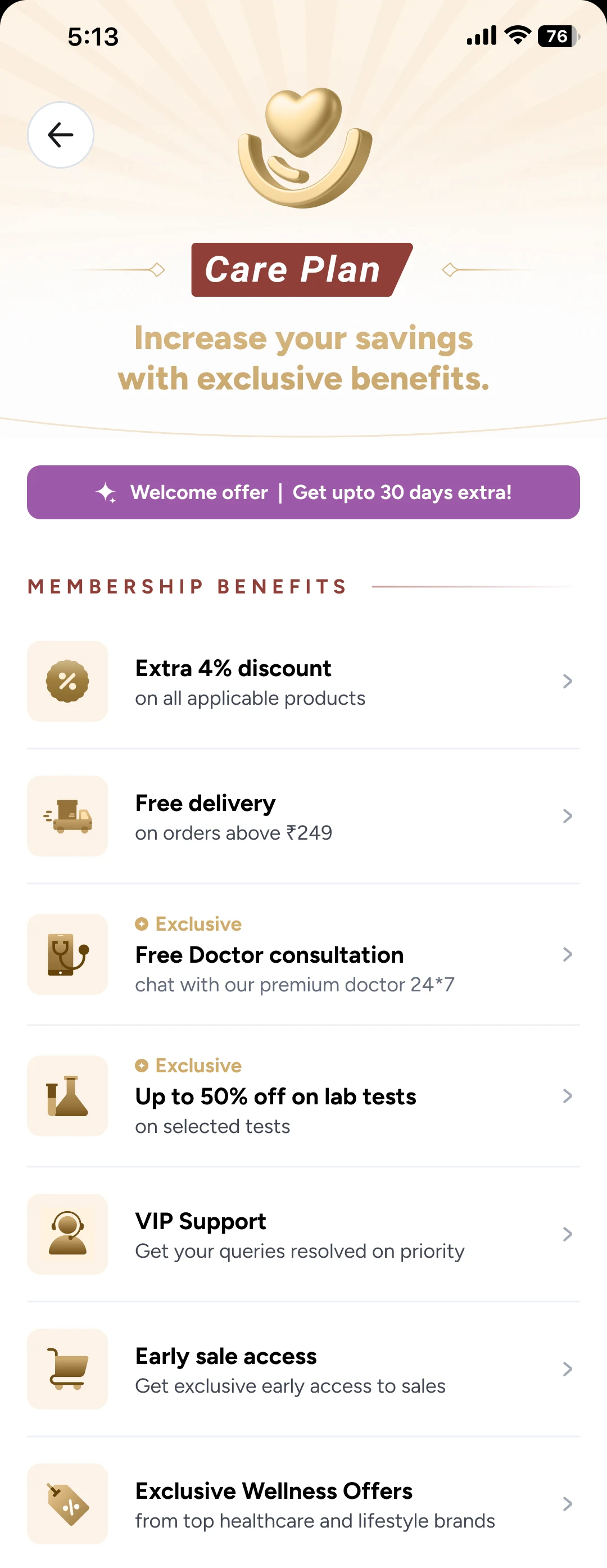
Care Plan
Making Care Plan honest about what it costs and what it gives
Currently doing an MSc at Politecnico di Milano
Designer with specialisation in Product, Motion, AI and Research
Previously at
 Product Designer I, 2024 to 2026
Late 2024 to 2026Shipped
Making Care Plan honest about what it costs and what it gives

B.Des, IIITDM JabalpurConcept
Redesigning a station master's control panel
Products I am building, freelance and side projects.
Open to new roles
Building Auto Add, then taking it out
Tata 1mg · Auto AddShipped2 min read
Auto Add kept Care Plan sales high, but usability testing showed people did not notice it or resented it. We removed it and gave people a clear choice instead.
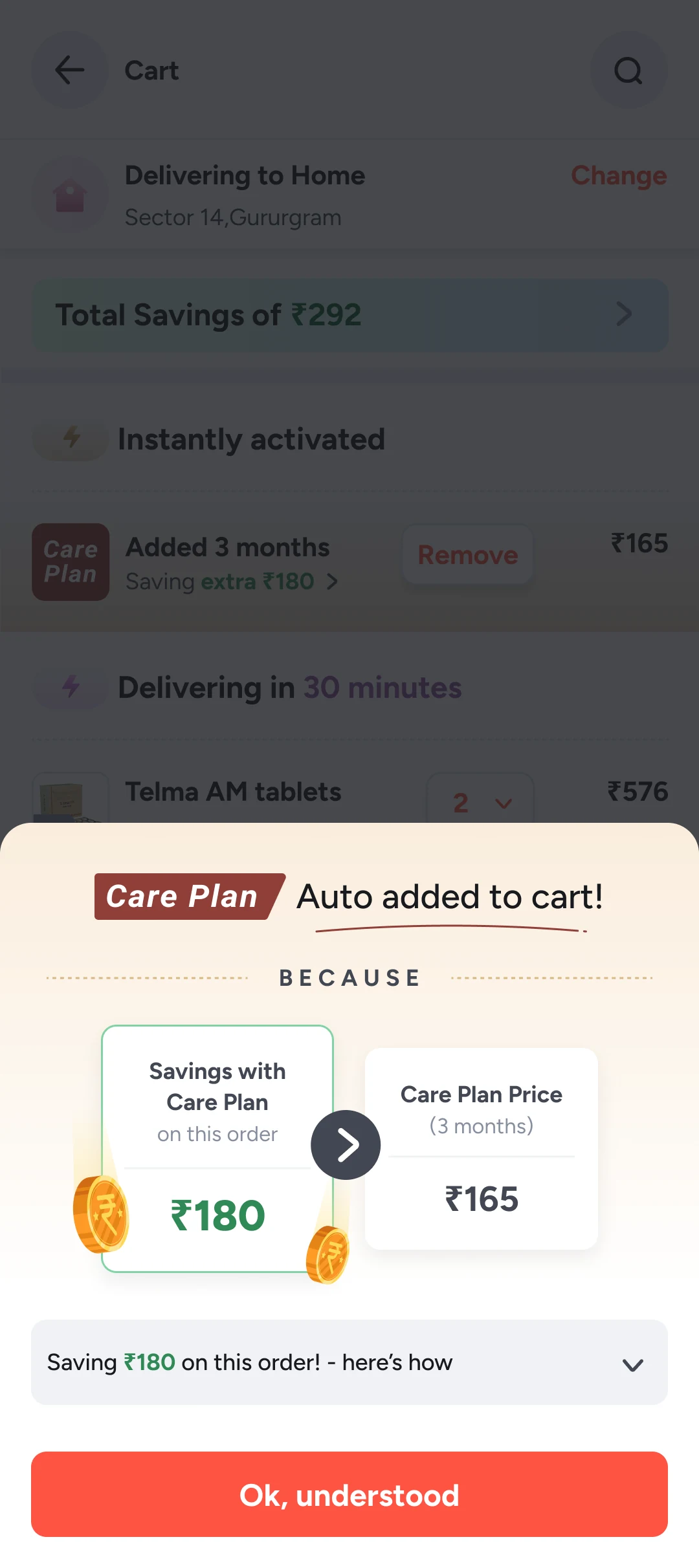
In a large cart, Care Plan’s discounts can add up to more than its ₹165 price. The plan then pays for itself. So I designed Auto Add: Care Plan goes into the cart on its own, with a sheet that explains why.
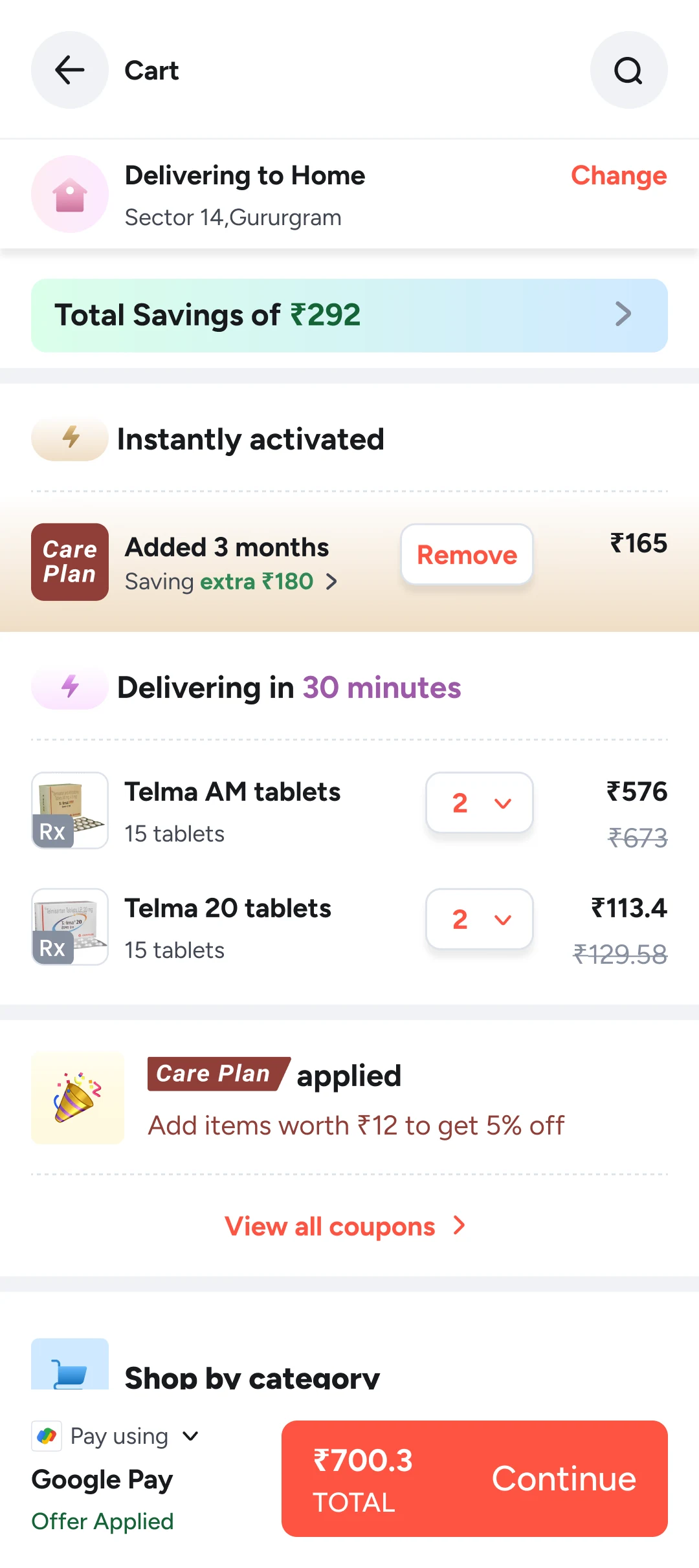
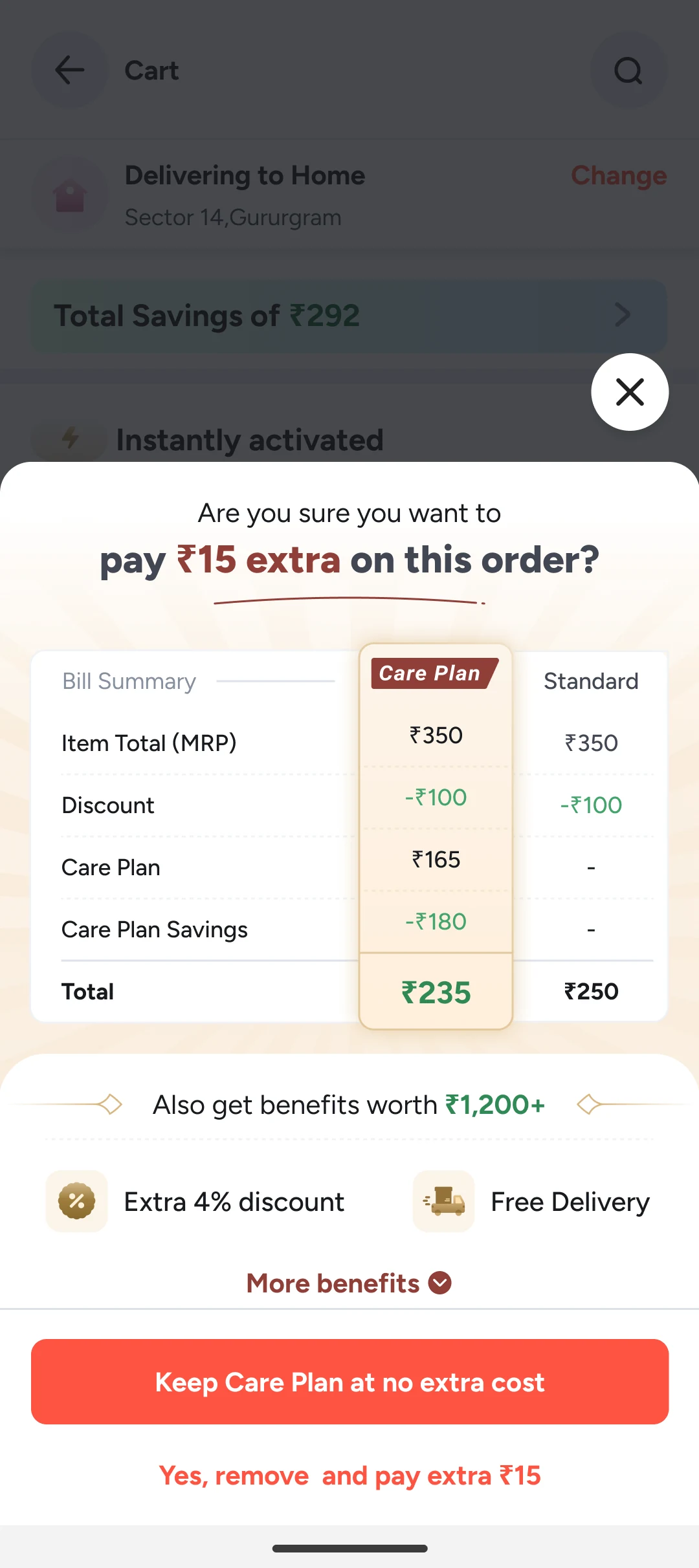
Care Plan goes in on its own. The sheet says why: ₹180 saved on this order against the ₹165 price.
The plan sits in the cart under "Instantly activated", with a Remove button.
Before it leaves, the sheet shows both bills: ₹235 with Care Plan, ₹250 without.
It kept daily Care Plan sales high. Usability testing told a different story.
No auto-add. Care Plan goes in only when the person taps.
A feature that lifted sales but made the choice for people.
A sheet that shows both bills and leaves the decision to the person.
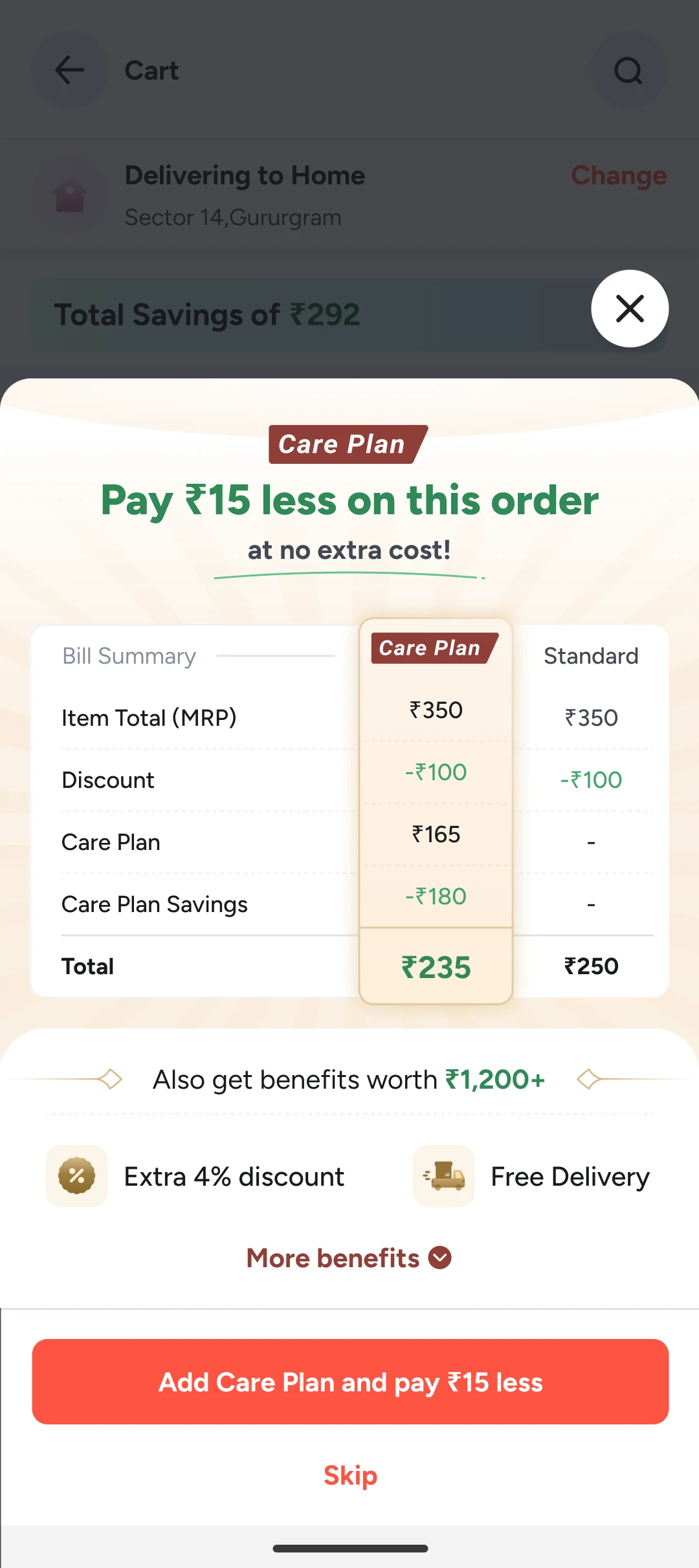
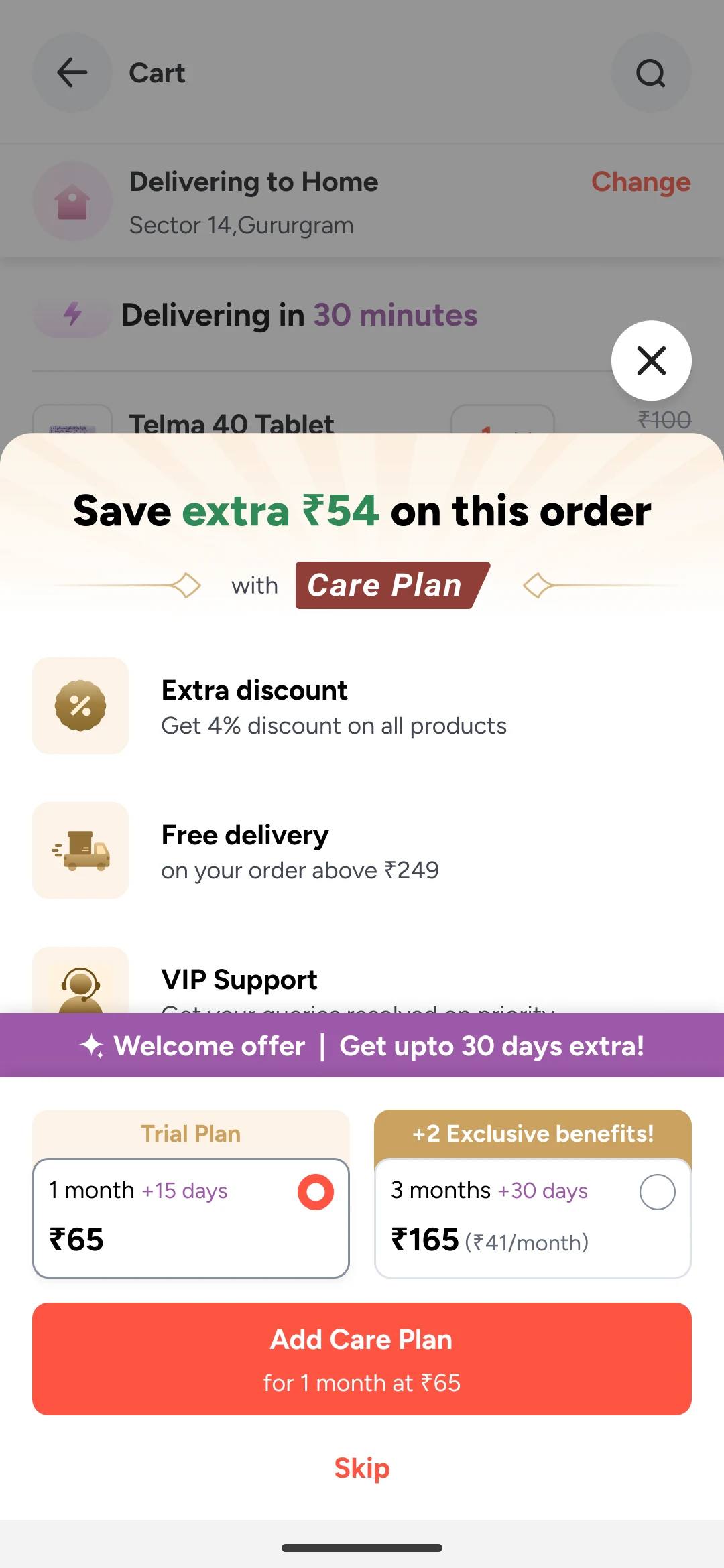
"Pay ₹15 less on this order at no extra cost!" Care Plan and Standard side by side: ₹235 against ₹250.
The plan goes in when the person chooses "Add Care Plan and pay ₹15 less". "Skip" is just below.
Sales dropped, as we expected. The people who did buy were better buyers: they used a little more of their benefits, stayed longer and spent more per cart.
A sales number can hide a trust problem. Auto Add looked like a win on the dashboard and failed in usability tests. The part of Care Plan that earns trust is the part where the person decides.
Part of Making Care Plan honest.